
If you had to choose one place in Cuba to experience the essence of the island, it would undoubtedly be Trinidad. This remarkable city, on Cuba’s southern coast, is a living monument to the past, a musical breeding ground, and a gateway to both mountains and beach. It’s a place where, in a single day, you can see and feel multiple faces of Cuba: from colonial history and the traces of slavery to stunning nature, music on every street corner, and the kind of beaches you dream of in Cuba.
Built on colonial money and dark history
Trinidad city Cuba (not to be confused with Trinidad and Tobago), was founded in 1514 and grew into a centre of sugar production in the 18th and 19th centuries. The beautiful colonial architecture you see today, the ornate houses, cobblestone streets, and impressive squares, is largely thanks to the enormous profits from sugarcane cultivation.

But that wealth, of course, came at a dark price: thousands of enslaved Africans were brought to this region to work on the plantations under inhumane conditions. The elegance of the villas and mansions in the city stands in stark contrast to the brutal reality on which that prosperity was built. Even today, you can still see the line marking where the wealthy Cubans lived, and where fences closed off the poorer areas. To learn more about this, I recommend taking a walking tour, where you’ll get a detailed explanation of Trinidad’s history. There are several free walking tours available.
Visit a sugar plantation
A visit to the Valle de los Ingenios (the Valley of the Sugar Mills), just outside the city, is a must if you want to learn more about this history. It costs one euro to enter, and a guide will explain everything to you. Here you can still see the ruins of old plantations, sugar mills, and the impressive Manaca Iznaga Tower. This tower, once used to monitor workers and enslaved people, is now a viewpoint over the valley — but it remains above all a confronting symbol of control and power.
Pro tip: buy a glass of freshly pressed sugarcane juice here. It’s very popular in Cuba and surprisingly refreshing! We cycled to the plantation. That’s quite a ride, but a beautiful route. The sugarcane drink was a perfect refresher and an energy boost. We also had a nice chat with the locals, while most people just walked past them. Such a shame. Is your visit to a sugarcane plantation really complete without tasting a drink?

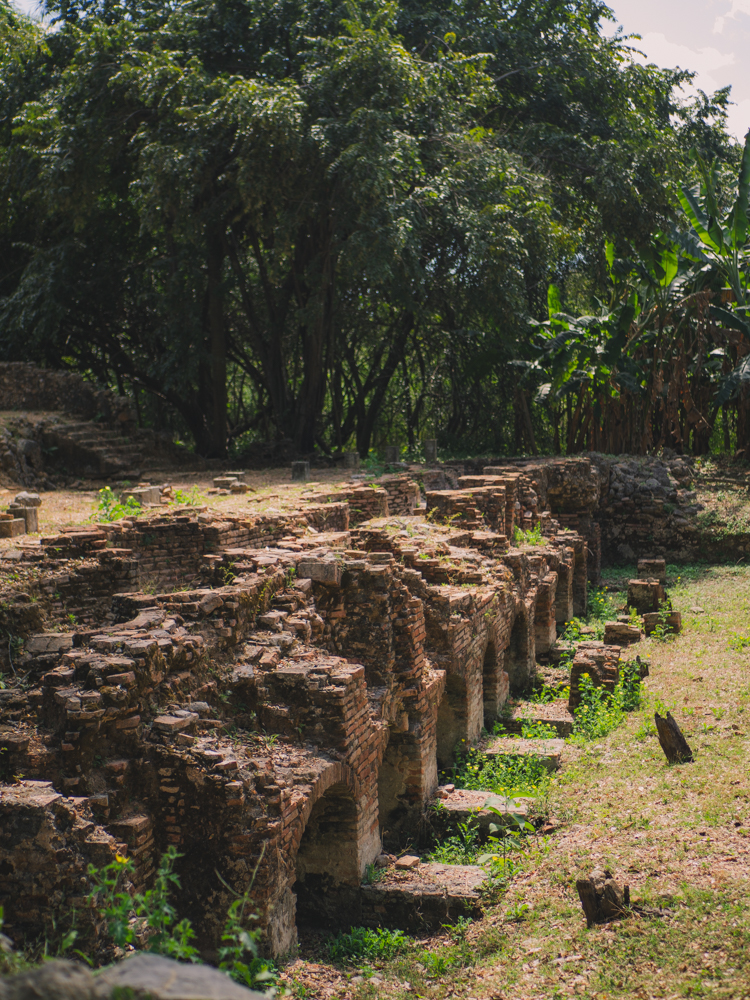
Trinidad is, of course, not the only place where you can learn about Cuba’s history of slavery. Although many people sadly never made it out alive, there are multiple places and stories across Cuba that teach you more about the resistance of the enslaved people, which eventually led to freedom for many. They are very open about it and clearly find it important that this history is not forgotten. For example, in Viñales you can find caves where enslaved people sometimes lived for years after escaping from the plantations. Being an island, even if they managed to escape, they were usually still trapped. Still, I found the plantation in Trinidad the most educational.
The city of art and music
But Cuba also has a joyful history. One that for many of us is a reason to travel to Cuba: music, dance, and art. And for that, you really have to be in Trinidad city Cuba. There are entire streets full of art studios, and you’ll find music on every street corner. Havana may once have been the city of music, but that’s not how we experienced it at all. It’s just a capital city, where you can certainly find parties and dance classes. And yes, there’s plenty of art there too, especially street art and artists creating and selling their work in the streets. But it simply doesn’t have the same atmosphere as Trinidad.
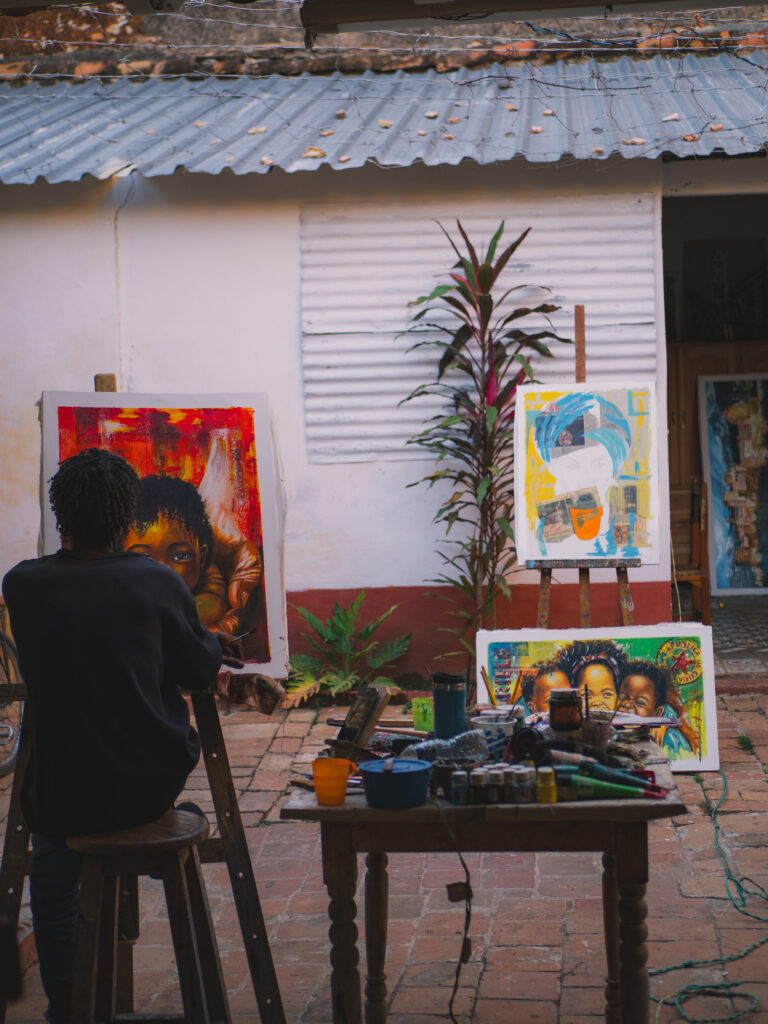
Because Trinidad feels more like a small village than a city, it has more of that village-like coziness. Once the sun sets, you can’t avoid it — rooftops turn into small stages, and everywhere you walk, you can enjoy live performances. In the evenings, you can fully immerse yourself in the world of Cuban music, with three main spots where pretty much the whole town gathers at night.
The absolute must-see is La Casa de la Música, where you can dance to live performances on the outdoor steps under the stars. A band plays music, and a few locals are available to give free salsa lessons. Prefer to just watch? Grab a table on the steps. The platform in front of the stage is meant for dancing. If there are a lot of eager dancers, the tables get pushed aside and you’re expected to join in the fun. Entry is under €2, and it’s guaranteed to be a beautiful evening! The show usually runs from 9 to 11, but Cubans aren’t in a rush, so it often starts later. As long as blackouts are an issue, timing can also be affected by power shortages. Be patient, order a drink, and trust that it’ll be worth the wait.
Smaller in scale, usually at the same time, is Rincón de la Salsa. Entry is also about €1, and there’s a good chance you’ll see some of the same band members from La Casa de la Música here. This is a more local spot — a real hangout where locals come for a drink and a dance. Because it’s more intimate, it’s easier to meet people, and if you’re like me and feel a bit awkward dancing in front of a big crowd, this is a safer place to give it a try.
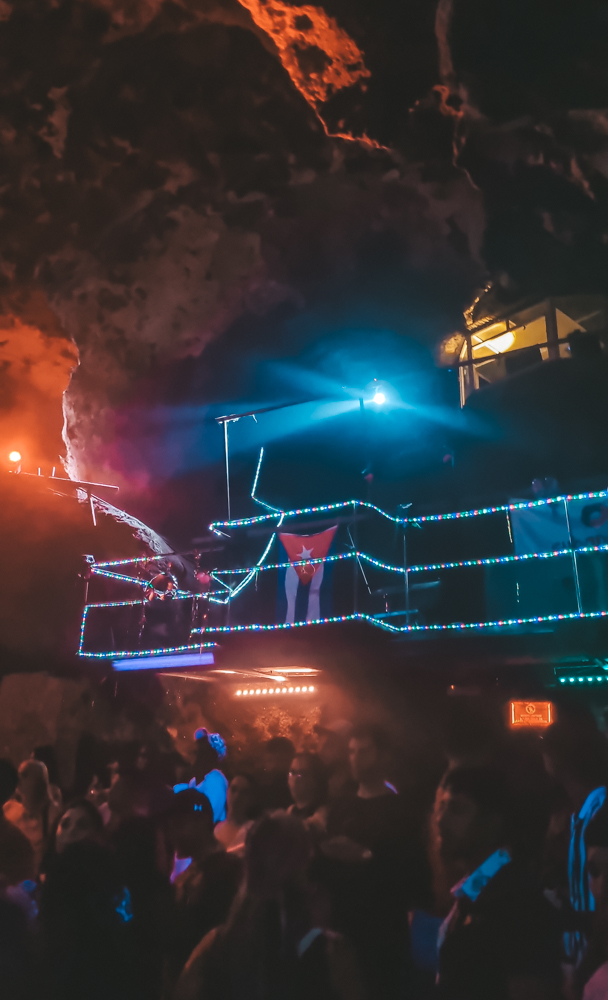
Want a real night out? Then Disco Ayala is the place to be, in all of Cuba, if you ask me. This club is inside a cave, and that alone is reason enough to check it out. You have to climb a bit to get there (or take a taxi), but it’s more than worth it! This is probably the coolest club I’ve ever seen. It is, however, extremely hot, because of course there’s no ventilation in a cave. But luckily, everyone is in the same boat.
The music here is mainly Cuban reggaeton, although they sometimes play cheesy hits for the tourists and mix in a bit of salsa. Still, it’s a true club club. The kind of place where people really let loose and you get to experience authentic Cuban dance culture. We ended up going twice, simply because the atmosphere was fantastic. This one is a bit pricier, around €8 entry, but that includes a drink.
The mountains around Trinidad city Cuba
For those who think Trinidad city is only about history and culture — think again. Active travellers will also be in their element here, with stunning mountain scenery and impressive waterfalls. Just a half-hour drive will take you to the mountain area of Topes de Collantes, part of the Escambray Mountains. This lush green national park is a paradise for hikers, nature lovers, and those seeking peace and quiet.
There are several hikes you can do and different waterfalls to visit. The easiest way is to take a taxi to the starting point of a waterfall trail. The road up is very steep, and the old cars are not exactly well-maintained due to a lack of resources. Unless you’re very good with cars, you don’t want to end up stranded on that mountain. From the trailhead, most hikes take about 1.5 hours to reach the waterfall.
We chose Vegas Grande, and it was a great choice! To be fair, we spent most of our time with Ellen, a Cuban retiree who bought and was renovating a café called D’Sendero Finca Vega Grande. Besides being a café for hikers, she wants to create a camping spot here and collaborates with a school in Havana by giving students the opportunity to learn more about birds. Are you a fan of birdwatching while traveling? Then she can tell you everything about Cuban birds.

But the waterfall itself was also beautiful! Definitely worth the hike. In the heat, it can be quite challenging and is not suitable for people with health issues. The upside is that you can swim there, so you can cool off and relax before climbing back up. Keep in mind the opening hours, as it’s only open until 5 PM. If, like us, you linger too long over coffee, you’ll have to hurry to make it back in time…
Sun, see and beaches in Trinidad
After a day full of history, hiking, or a slightly too enthusiastic party, there’s no better place to relax than at the beach. Luckily, Playa Ancón is only 12 kilometres from Trinidad. We rented bikes and made a day of it. This long stretch of white sandy beach is often named one of the most beautiful beaches in Cuba, and rightfully so. The sea is warm, clear, and calm, perfect for swimming or snorkelling.
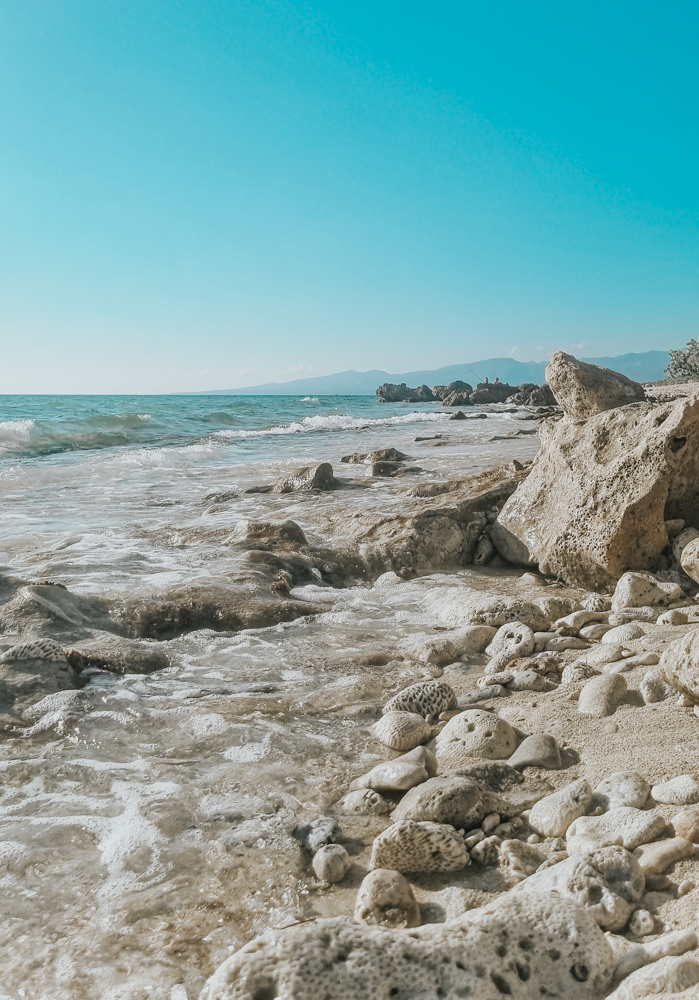
However, we chose a quieter beach. We found Playa Ancón a bit too polished, with its beach bars and loungers, and locals had already told us several times about Playa Maria Aguilar, where they went. Well, there was no one there, so we basically had the whole beach to ourselves! A beautiful, untouched beach, strewn with pieces of coral washed ashore, and even in the shallow water, you could already see colorful little fish swimming around.
Be sure to bring water shoes. You have to walk over some rocks before you reach the sandy part. The rocks are also home to small sea urchins. But that’s exactly why it’s such a wonderfully quiet beach. And right next to it there’s a cozy restaurant where you can grab a bite or a drink.
In Trinidad city you’ll want to stay
We actually didn’t have very high expectations of Trinidad, mostly due to a lack of knowledge. Nobody really talked about it, and it looked small. But it took only a few hours before we decided to extend our stay and skip our last stop in Las Terrazas. In Trinidad, we found everything we loved about the earlier stops, all packed into one small town. We discovered great restaurants again after eating the same food for days. We quickly became regulars at our favorite spots, like the vegan/vegetarian restaurant Diverso Trinitario. And within a day, we made friends here.
Although Trinidad is officially a city, it feels like a village. You keep running into the same people over and over. Friends from the club worked in restaurants where we went to eat the next day, turned out to be in the bands performing, or we’d meet them again on the street. It felt like we lived there, and we both really struggled to leave. Trinidad city Cuba feels like coming home, and I can’t wait to go back!





0 Comments